Creating a clean home is about more than appearances. A tidy, well-maintained environment can contribute to a greater sense of calm, improve comfort, and make daily life more enjoyable.
However, an important question is not just how clean a home is, but what it is being cleaned with.
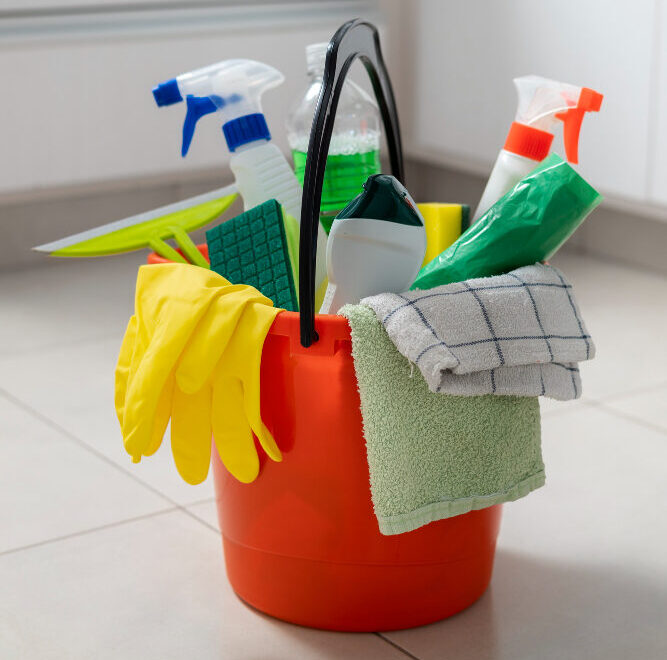
Many conventional household cleaners contain a range of synthetic chemicals that can be released into the air during use or come into contact with the skin.
Even some products marketed as “natural” or “eco-friendly” may contain ingredients that people prefer to avoid.
As interest grows in low-tox living and healthier homes, more Kiwis are turning to simpler cleaning methods that rely on familiar ingredients rather than heavily fragranced commercial products.

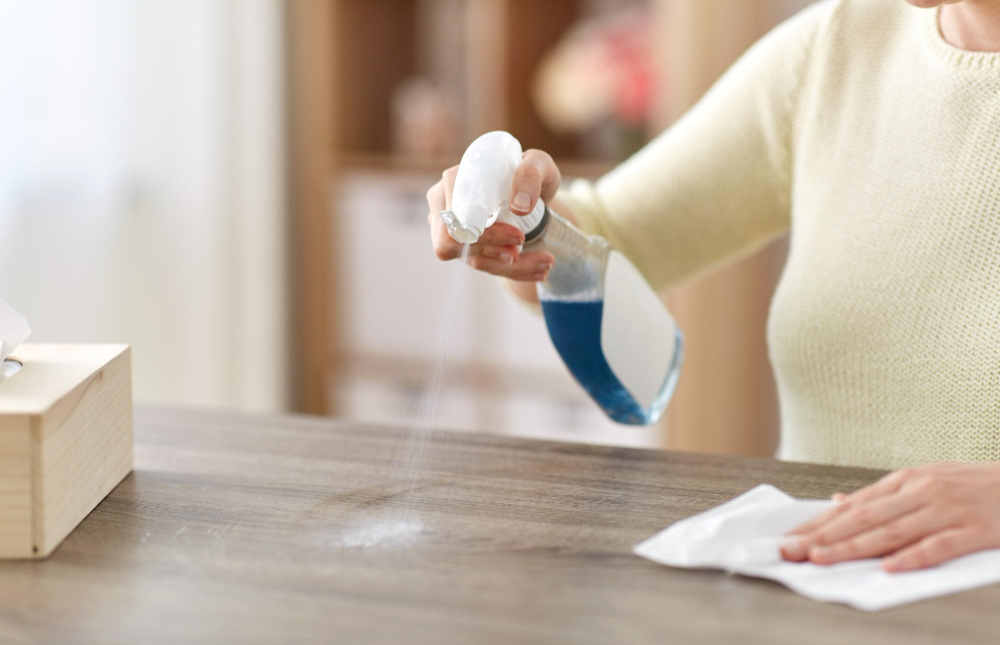
Research around the world has highlighted the importance of indoor air quality, particularly because most people spend a significant amount of time inside their homes. Cleaning sprays, air fresheners, scented candles, and heavily fragranced products can release compounds known as volatile organic compounds (VOCs) into the air.
Some VOCs are associated with irritation of the eyes, nose, and throat, while others may contribute to headaches or respiratory discomfort in sensitive individuals. People with asthma, allergies, or chemical sensitivities often find that reducing the use of strongly scented products can make their homes feel more comfortable.
One challenge for consumers is that ingredient disclosure varies between products, making it difficult to know exactly what is being used throughout the home.
When reviewing household cleaners, some consumers look to minimise exposure to ingredients such as:
Ammonia – commonly used in glass and surface cleaners.
Synthetic fragrances – often found in air fresheners, detergents, and cleaning sprays.
Phthalates – sometimes used to help fragrances last longer.
Ethanolamines – used in some detergents and polishing products.
Formaldehyde-releasing preservatives – found in certain household and personal care products.
While regulatory standards differ between countries, many New Zealand households are increasingly choosing products with simpler ingredient lists and fewer synthetic additives.
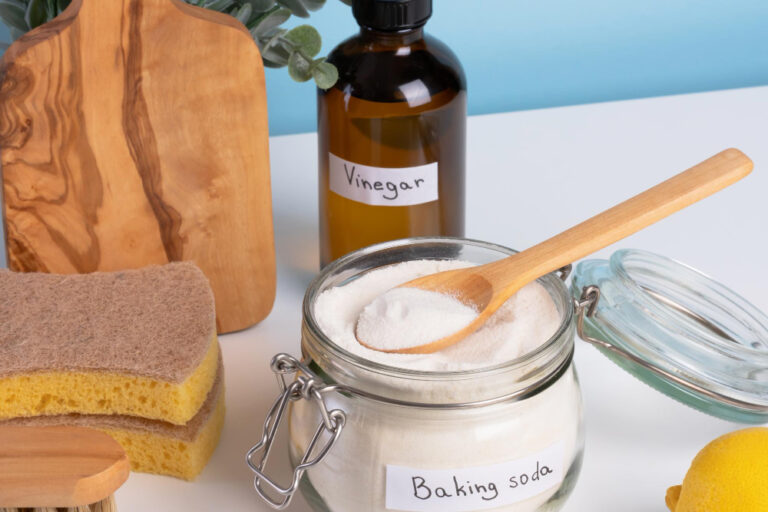
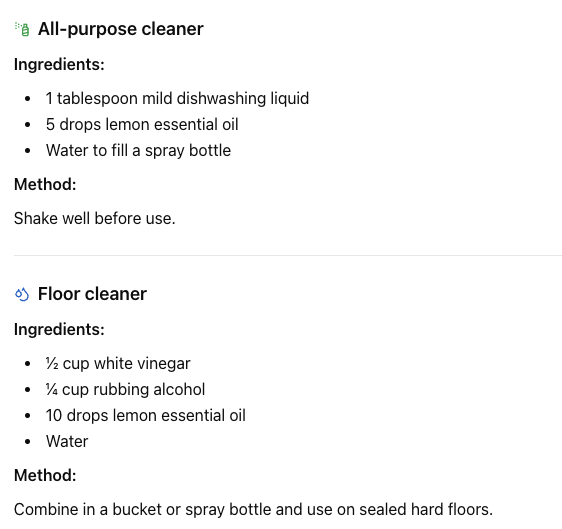
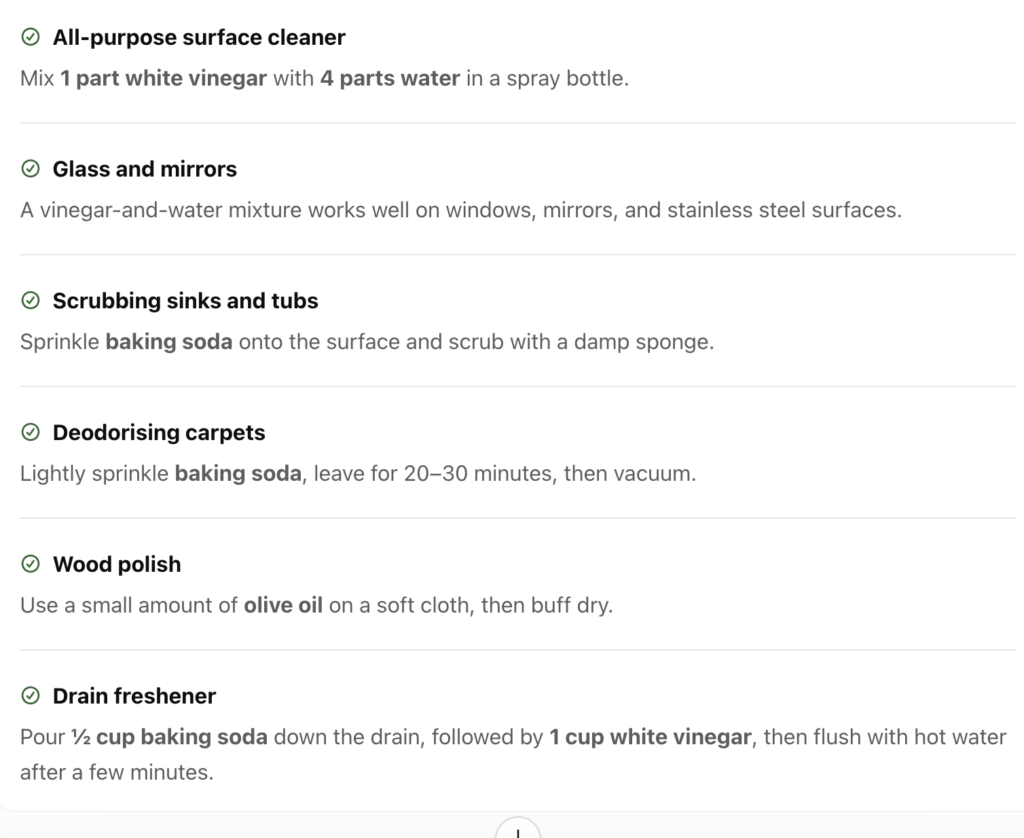
One of the advantages of non-toxic cleaning is that many effective ingredients are inexpensive and easy to find. These ingredients have been used for generations and can handle many everyday cleaning tasks without the need for heavily perfumed commercial products.
Living a long and healthy life involves or relies on many factors including genetics, lifestyle, environment and more. One of those factors, a very important one, is the avoidance of toxic exposure.
Reducing exposure to harmful chemicals and other toxins can greatly contribute to improved health, longevity, and overall quality of life.
Having experienced the effects of toxic exposure personally, I have made it my mission not only to reveal the truth behind these products but also to share simple, affordable alternatives that allow people to reduce their toxic load and safeguard their health.