Every parent wants to give their children the healthiest possible start in life. We make decisions every day about what they eat, where they sleep, the products we use in our homes, and the environments where they play. While we can’t control every aspect of the world around us, there are many simple steps we can take to reduce unnecessary chemical exposures and create a healthier home.
The goal isn’t to eliminate every synthetic chemical—that simply isn’t possible. Instead, it’s about making informed choices, reducing avoidable exposures where practical, and remembering that a child’s overall health is shaped by many factors, including good nutrition, physical activity, sleep, loving relationships, and time spent outdoors.
If you’re wondering where to start, here are some simple, affordable ways to create a healthier environment for your children.
Children are not simply “small adults.” Their bodies are growing rapidly, and they:
Because of these differences, reducing unnecessary exposures where practical makes good sense.
The reassuring news is that you don’t have to overhaul your entire home overnight. Small changes made consistently can make a meaningful difference over time.
The Clean Kiwi Guides have been written with New Zealand families in mind.
Rather than recommending expensive or hard-to-find products, our guides focus on realistic solutions using products that are available throughout New Zealand whenever possible.
We understand that every family has different budgets, priorities, and lifestyles. That’s why our philosophy is simple:
Progress is better than perfection.
Small changes made consistently often have a greater impact than trying to change everything overnight—a message echoed by many low-tox educators.
Learn how to reduce unnecessary chemicals throughout your home by focusing on the areas that matter most. Discover safer materials, healthier indoor air practices, and practical ways to create a cleaner living environment without replacing everything you own.

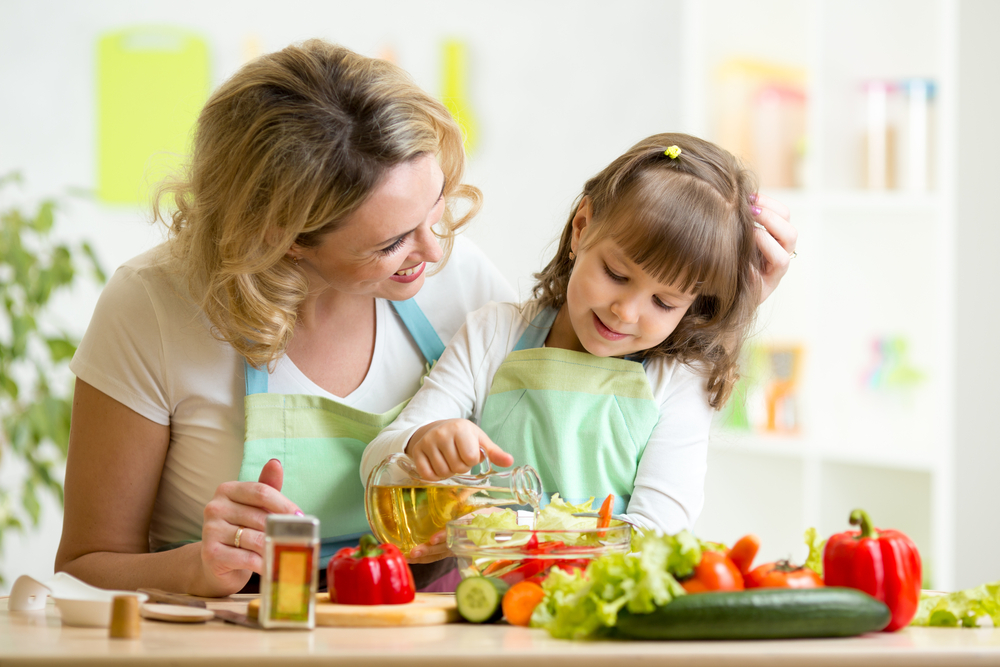
One of the most powerful ways to support your child’s health is through good nutrition.
Aim to include plenty of:
Highly processed foods often contain more added sugars, sodium, and food additives than meals prepared at home. Cooking from scratch when possible gives you more control over the ingredients your family eats.
One of the simplest ways to reduce exposure to dirt, germs, and everyday contaminants is regular handwashing.
Encourage children to wash their hands:
Good hand hygiene is one of the most effective health habits a family can develop.
Household dust is made up of many things, including fibres, soil, pollen, skin cells, and particles tracked in from outdoors. It can also contain residues from household materials and consumer products.
Simple ways to reduce dust include:
Whether you buy conventional, spray-free, or organic produce, washing fruit and vegetables under running water before eating or cooking helps remove dirt and can reduce residues from handling and growing.
For firm produce like potatoes or carrots, a vegetable brush can be helpful.
Fresh air helps remove moisture, cooking fumes, and indoor pollutants.
Whenever weather allows:
Good ventilation also helps reduce mould growth, which can affect respiratory health.
Plastic products are a part of modern life, but there are simple ways to reduce unnecessary contact with food.
Consider:
There’s no need to discard everything you already own—simply replace items gradually as they wear out.
Children don’t need a large collection of lotions, sprays, and scented products.
When choosing personal care items, look for products that:
Remember that “natural” isn’t always better. The goal is to choose products that are not ladened with chemicals, and used as directed.
One of the healthiest things children can do is spend time outside.
New Zealand offers incredible opportunities for children to:
Outdoor play supports physical fitness, mental wellbeing, creativity, and a lifelong appreciation of nature.
Remember to protect children from excessive sun exposure with appropriate clothing, shade, and sunscreen during times of high UV.
Sleep is essential for growth, learning, and emotional wellbeing.
Support healthy sleep by:
Good sleep may do more for a child’s long-term health than many expensive products ever could.
Whenever possible, avoid using chemical pesticides both inside your home and in your garden. Instead, choose natural, non-toxic methods to control weeds and pests, such as:
For household pests, start with prevention by sealing entry points, keeping food properly stored, eliminating moisture, and using natural deterrents such as vinegar, baking soda, diatomaceous earth (used according to safety directions), or essential oils where appropriate.
Children don’t need a house full of electronic or plastic toys to learn and thrive.
Many classic toys encourage imagination and active play, including:
Bringing old toys back to life can also reduce clutter and save money.
Children don’t need a large collection of lotions, sprays, and scented products.
When choosing personal care items, look for products that:
Remember that “natural” isn’t always better. The goal is to choose products that are not ladened with chemicals, and used as directed.
Children learn by watching the adults around them.
Involve them in simple routines such as:
These everyday habits help children develop lifelong respect for both their health and the environment.
Children spend a lot of time crawling, playing, and exploring the home.
For many everyday cleaning jobs, mild soap, warm water, or a simple all-purpose cleaner are all that’s needed.
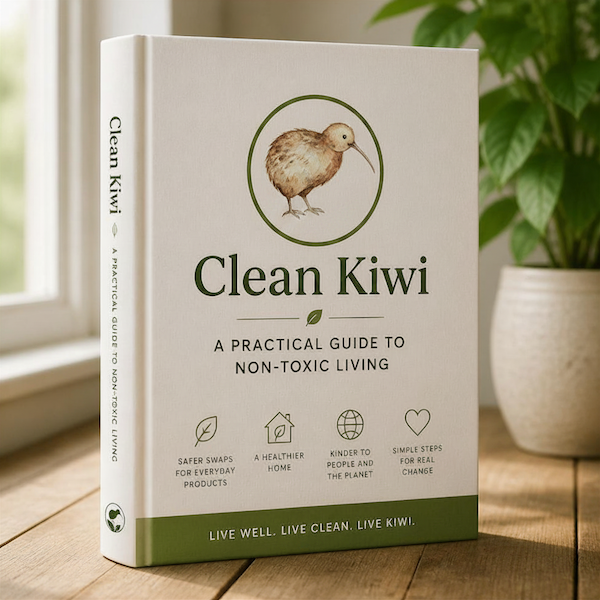
There are also many DIY Household Cleaning recipes in the book, Clean Kiwi: A Practical Guide to Non-Toxic Living.
When stronger cleaning products or disinfectants are required:
Focus on the choices that are within your control. A diet rich in whole foods, good hygiene, fresh air, regular physical activity, and sensible product choices are going to have a far greater impact on your child’s health.
Children don’t need a perfect home. They need a safe, loving environment where healthy habits become part of daily life.
Cooking together, gardening, reading books, exploring New Zealand’s beaches and forests, eating colourful fruits and vegetables, opening the windows on a sunny day, and choosing products thoughtfully all contribute to a healthier childhood.
These simple routines not only reduce unnecessary chemical exposures—they also build resilience, encourage curiosity, and strengthen family connections.
New Zealand is uniquely placed to raise children who appreciate nature, value fresh food, and understand the importance of caring for both their own health and the environment.
Every small step—whether it’s planting herbs in the garden, swapping a harsh cleaner for a gentler alternative, or packing a reusable lunchbox—helps shape healthier homes and healthier communities.
You don’t have to make every change today. Start with one or two that fit your family’s lifestyle, then build from there.
Because when it comes to raising healthy Kiwi kids, the little things we do consistently often make the biggest difference of all.
Clean Kiwi: Simple choices. Healthier homes. Better futures.
Living a long and healthy life involves or relies on many factors including genetics, lifestyle, environment and more. One of those factors, a very important one, is the avoidance of toxic exposure.
Reducing exposure to harmful chemicals and other toxins can greatly contribute to improved health, longevity, and overall quality of life.
Having experienced the effects of toxic exposure personally, I have made it my mission not only to reveal the truth behind these products but also to share simple, affordable alternatives that allow people to reduce their toxic load and safeguard their health.