For decades, New Zealand has worked hard to reduce smoking rates, and the country has made remarkable progress. However, while fewer people are smoking traditional cigarettes, vaping has become increasingly common—particularly among young people.
Many New Zealanders view vaping as a safer alternative to smoking, and for smokers trying to quit, it can be an effective harm-reduction tool. But “safer” does not mean “safe.” Both smoking and vaping expose the body to chemicals that can affect your health, and understanding those risks can help you make informed decisions for yourself and your family.
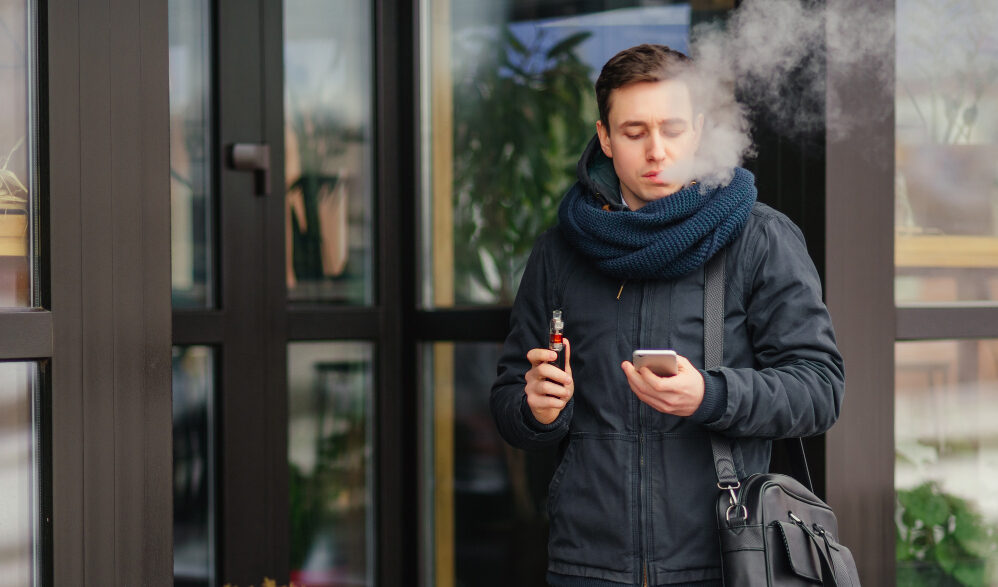
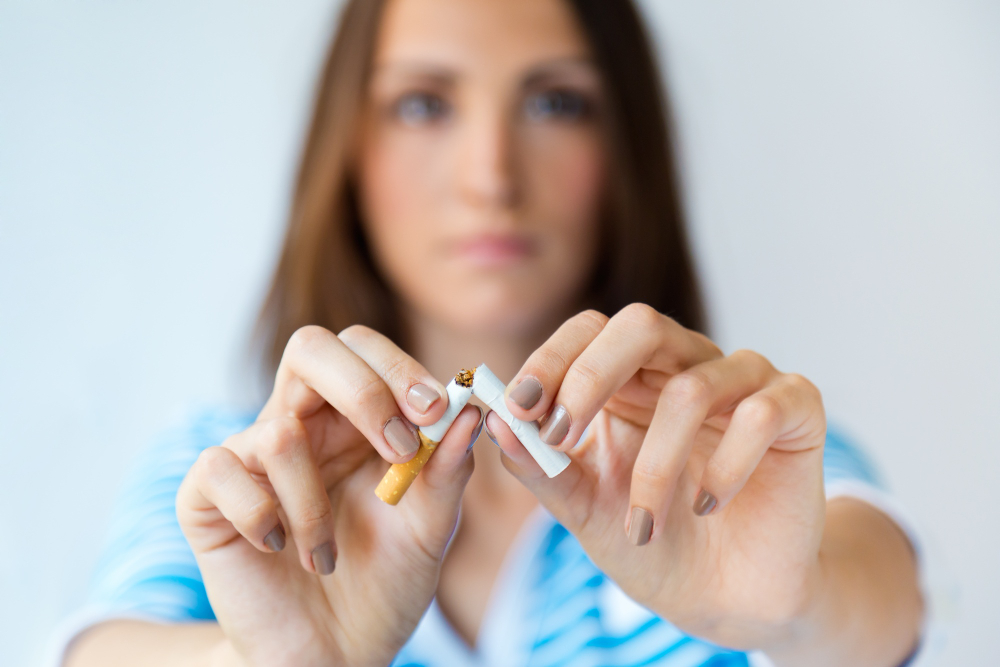
Cigarette smoke may contain as much as 7,000 chemicals, hundreds of which are toxic and at least 70 that are known to cause cancer. Every inhalation delivers a mixture of harmful substances throughout the body, not just the lungs.
Smoking has been linked to:
Vaping products do not produce tar or many of the combustion chemicals found in cigarettes, making them less harmful than smoking.
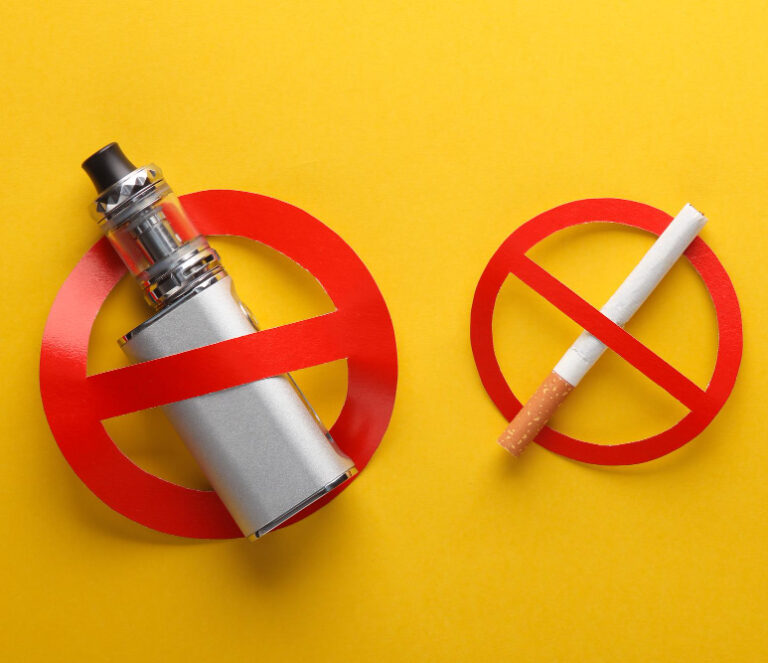
While healthcare organizations like Health New Zealand and the NHS note that vaping is less harmful than smoking traditional tobacco cigarettes, health authorities emphasize that it is far from harmless.
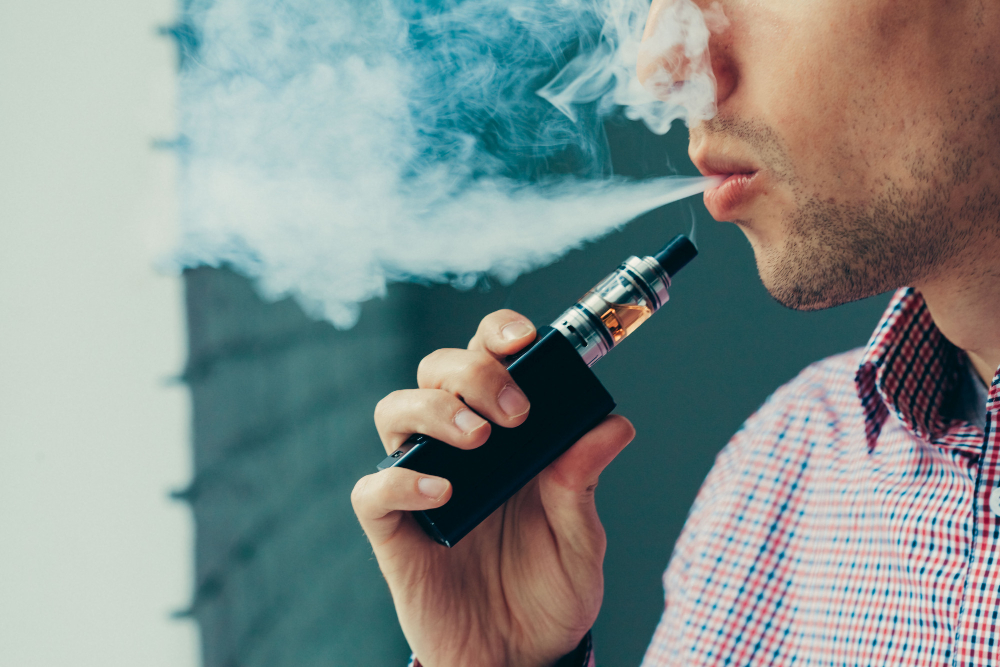
Vaping introduces a dangerous mix of toxic chemicals and highly addictive nicotine into the body, which can cause immediate and long-term damage to the lungs, heart, and brain. While public health groups like Health New Zealand note that vaping is less harmful than traditional tobacco smoking, medical consensus confirms it is not safe.
Most vape liquids contain nicotine, which is highly addictive. Heating the liquid also creates a range of chemicals that users inhale into their lungs.
Researchers have identified substances including:
Note: The amount of these substances varies depending on the device, liquid ingredients, and temperature used.

 Cardiovascular/Metabolic Complications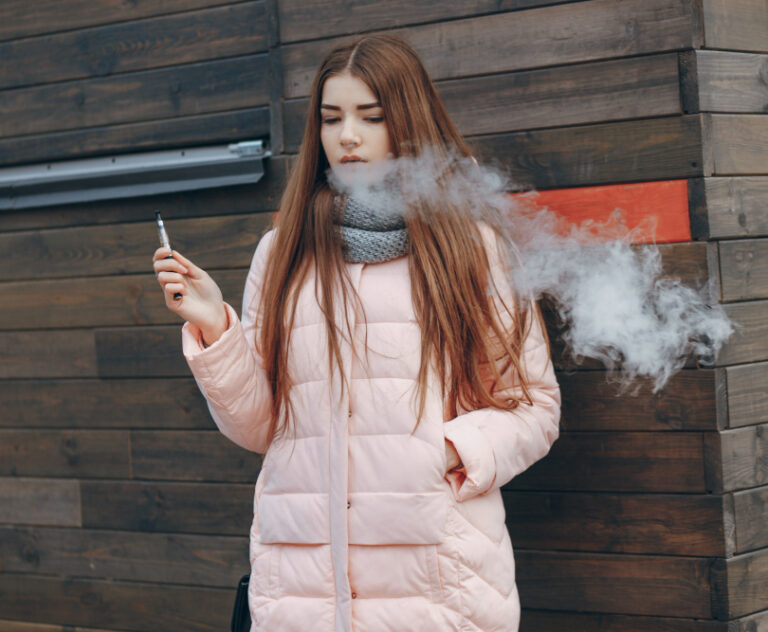
One of the greatest concerns surrounding vaping in New Zealand is its popularity among teenagers.
The adolescent brain continues developing until around the age of 25. Nicotine exposure during this period may affect:
Nicotine addiction can also make young people more susceptible to dependence on other substances later in life.
Colourful packaging, sweet flavours, and social media marketing have made vaping particularly attractive to young people despite regulations designed to reduce youth uptake.
Many people assume the greatest danger from smoking or vaping is nicotine. In reality, much of the harm comes from the thousands of additional chemicals inhaled.
Depending on the product, users may be exposed to:
Repeated exposure increases the body’s toxic burden, placing additional stress on organs responsible for detoxification, including the lungs, liver, and kidneys.
Whether you smoke or vape, there are practical steps you can take to reduce toxic exposure for others.
Keep Homes and Cars Smoke-Free: Never smoke or vape inside your home or vehicle. Even opening windows does not eliminate harmful particles.
Protect Children: Avoid exposing babies and children to second-hand or third-hand smoke. Wash your hands and consider changing outer clothing after smoking before holding infants.
Avoid Indoor Vaping: Although vaping produces fewer pollutants than smoking, it still releases aerosols and chemicals into indoor air.
Support Friends and Family Who Want to Quit: Quitting nicotine is difficult, and support makes a significant difference. Encourage loved ones rather than criticising them.
The body begins repairing itself surprisingly quickly after quitting smoking.
Within weeks, circulation and lung function begin improving. Over time, the risk of heart disease, stroke, and many cancers gradually decreases.
If quitting feels overwhelming, remember that many successful ex-smokers made several attempts before quitting permanently. Every attempt builds experience and increases the likelihood of success.
For smokers who cannot quit immediately, there are nicotine patches available in most pharmacies that can be used to more gradually ween off of nicotine that can help get you through the withdrawals.
You can do this!

Living a long and healthy life involves or relies on many factors including genetics, lifestyle, environment and more. One of those factors, a very important one, is the avoidance of toxic exposure.
Reducing exposure to harmful chemicals and other toxins can greatly contribute to improved health, longevity, and overall quality of life.
Having experienced the effects of toxic exposure personally, I have made it my mission not only to reveal the truth behind these products but also to share simple, affordable alternatives that allow people to reduce their toxic load and safeguard their health.