Mould is a natural part of the environment and plays an important role in breaking down organic matter. Outdoors it is beneficial, but indoors it can become a serious health concern, particularly in New Zealand’s often damp and humid climate.
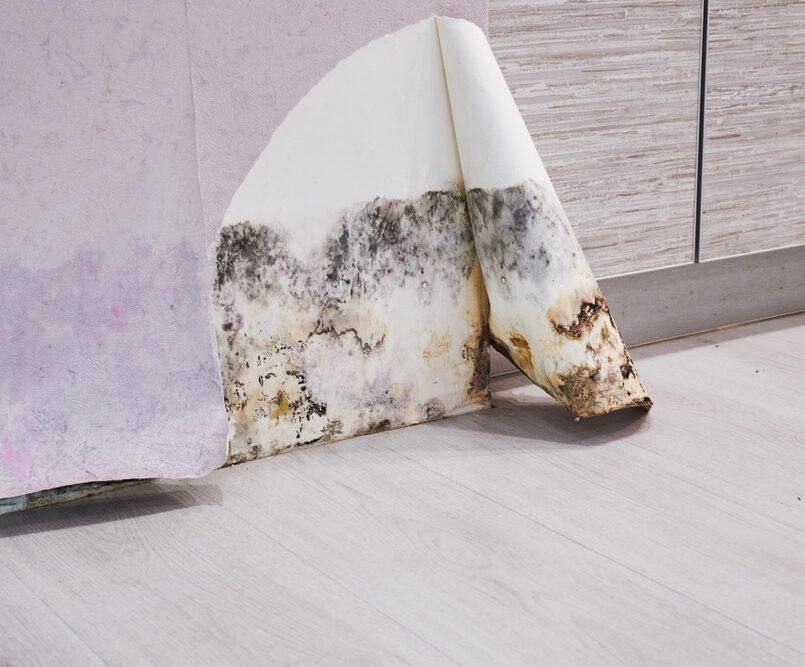
There are many species of indoor mould. While Stachybotrys chartarum (commonly called “black mould”) receives the most attention, any significant mould growth indoors should be treated as a problem. Black mould is usually dark green or black, has a distinctive musty odour, and often grows on materials that have remained damp for extended periods. However, mould can also appear grey, white, brown, or green, and all indoor mould has the potential to affect health.
Mould reproduces by releasing microscopic spores into the air. These spores enter homes through open doors and windows, ventilation systems, clothing, footwear, and even pets. Once they find a damp surface, they begin to grow. Without moisture, mould cannot survive, making moisture control the key to prevention.
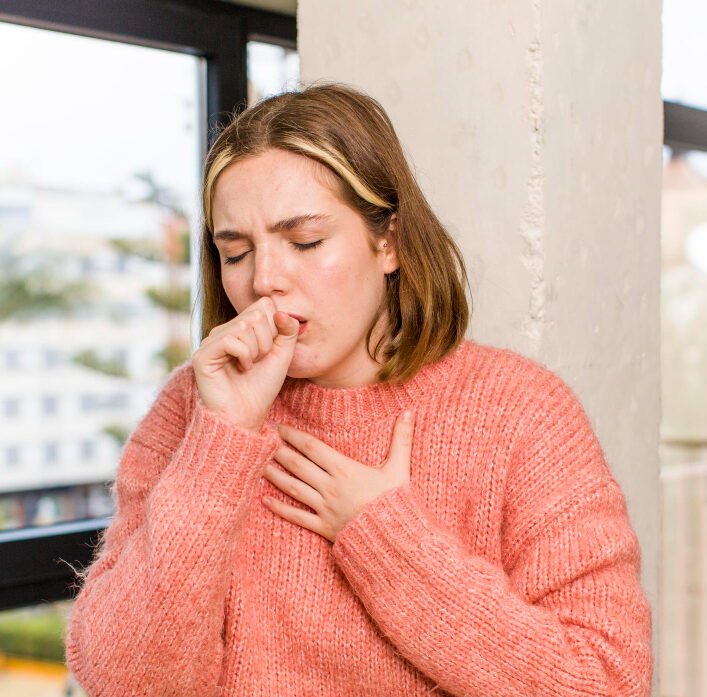
Not everyone reacts to mould in the same way, but prolonged exposure can contribute to a range of health problems, particularly for infants, older adults, and people with asthma, allergies, or weakened immune systems.
Common symptoms include:
Long-term exposure to damp, mouldy environments has also been associated with increased respiratory illness and poorer indoor air quality. For those with existing lung conditions, mould exposure can lead to more severe complications.
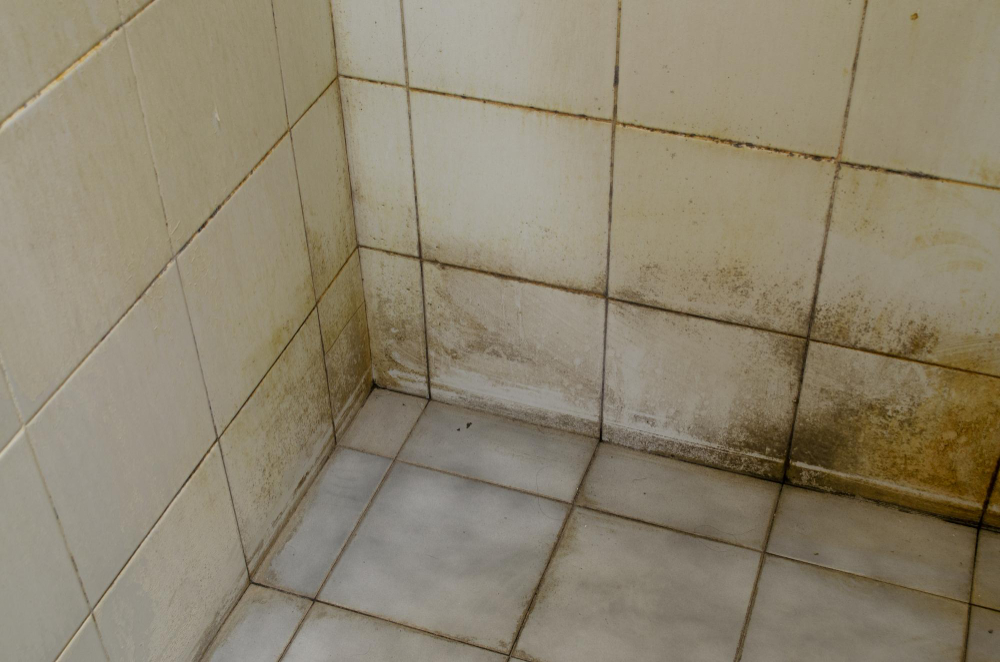
Because mould thrives wherever moisture is present, it is commonly found in:
In many New Zealand homes, inadequate ventilation and condensation during winter provide ideal conditions for mould growth.

The most effective way to control mould is to control moisture.
Simple steps include:
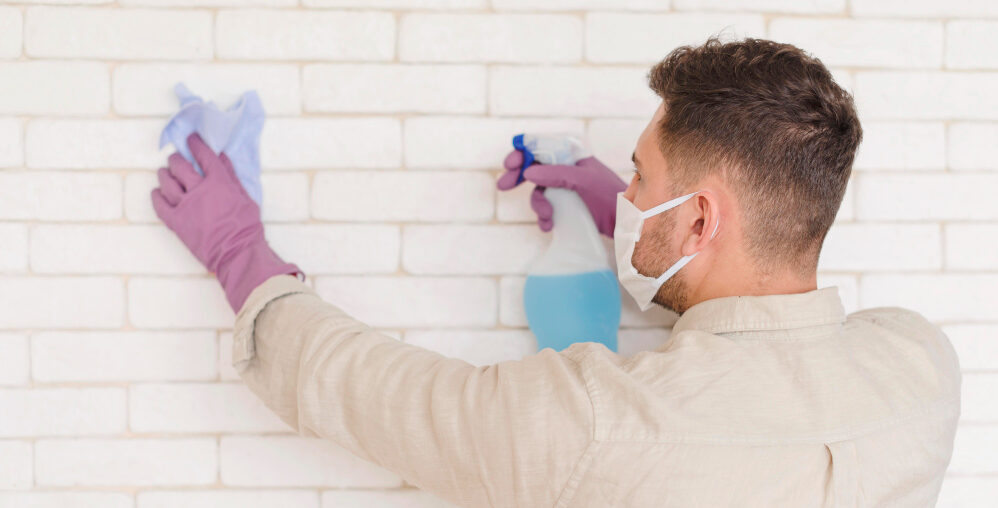
Small patches of mould can often be cleaned safely using non-toxic alternatives.
Suitable options include:
Cleaning vinegar kills many common mould species. Spray undiluted vinegar onto the affected area, leave for around one hour, then scrub and wipe clean.
An effective antifungal and antibacterial cleaner. Spray onto the surface, leave for 10 minutes, then wipe clean.
Mix one cup of borax with four litres of warm water. Scrub the area and allow it to dry. Borax also helps discourage future mould growth.
Mix a small amount with water in a spray bottle or make a paste for stubborn spots. It helps remove mould while deodorising the area.
Although more expensive, tea tree oil is a natural antifungal. Mix one teaspoon with one cup of water, spray onto the surface and allow it to dry without rinsing.
Lemon juice’s natural citric acid effectively kills mold spores and breaks down mildew on most surfaces. It also leaves a fresh scent, but it is not strong enough to penetrate porous materials like unsealed drywall or deep-seated wood roots.
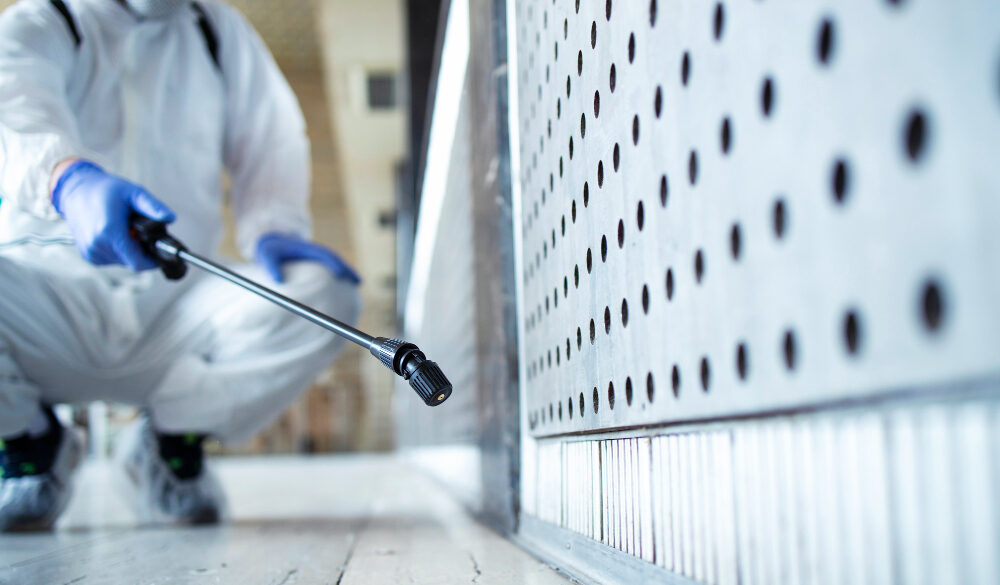
If mould covers a large area, keeps returning despite cleaning, or results from flooding or significant water damage, professional remediation is recommended.
Porous materials such as plasterboard, insulation, ceiling tiles and carpet underlay often need to be removed and replaced because mould can penetrate deep into the material.
Anyone cleaning significant mould contamination should wear appropriate personal protective equipment, including gloves, eye protection and a P2/N95 respirator, and isolate the affected area to prevent spores spreading throughout the home.
Mould is a common problem in New Zealand homes, but it should never be ignored.
Whether the mould is black, green, grey or white, persistent indoor mould indicates excess moisture that needs to be addressed.
By improving ventilation, reducing dampness, repairing leaks quickly and using safer cleaning methods, you can significantly improve your home’s air quality and create a healthier environment for your family.
Living a long and healthy life involves or relies on many factors including genetics, lifestyle, environment and more. One of those factors, a very important one, is the avoidance of toxic exposure.
Reducing exposure to harmful chemicals and other toxins can greatly contribute to improved health, longevity, and overall quality of life.
Having experienced the effects of toxic exposure personally, I have made it my mission not only to reveal the truth behind these products but also to share simple, affordable alternatives that allow people to reduce their toxic load and safeguard their health.