Most people pay close attention to the ingredients in the food they eat, yet rarely think about what is in the products they use to care for their teeth. Toothpaste, mouthwash, and other oral hygiene products are used every day—often multiple times a day—but few people ever read the ingredient list.
The tissues inside your mouth are highly absorbent. In fact, many medications are specifically designed to dissolve under the tongue because compounds can enter the bloodstream quickly through the tissues of the mouth. While the amount absorbed from dental products varies depending on the ingredient, this raises an important question: if you’re using oral care products every day, are you comfortable with everything they contain?
For many people, the answer is leading them toward simpler, more natural alternatives.
Making your own toothpaste is surprisingly easy. It requires only a handful of ingredients, takes just a few minutes to prepare, and costs significantly less than continually buying commercial brands.
Many people also enjoy being able to control exactly what goes into the products they use. Instead of artificial colours, synthetic sweeteners, detergents and preservatives, a homemade toothpaste can be made from familiar ingredients such as coconut oil, baking soda, peppermint essential oil, trace minerals and a natural sweetener.
One batch can last for months, making it an economical option as well as a simple one.
Tooth enamel continually undergoes cycles of mineral loss and mineral replacement. This natural process, known as demineralisation and remineralisation, is influenced by factors such as diet, saliva, oral bacteria and fluoride exposure.
Research has shown that providing minerals such as calcium and phosphate can help support the natural remineralisation process. While no homemade toothpaste can repair cavities that already exist, maintaining a mineral-rich oral environment may help strengthen enamel and reduce the risk of future decay.
Good oral hygiene, a nutrient-rich diet, regular dental care and reducing sugar intake remain the foundations of healthy teeth.

Modern toothpastes contain a wide variety of ingredients, many of which serve useful purposes such as cleaning, foaming, preserving or improving flavour. However, some consumers choose to avoid certain ingredients due to ongoing debate about their potential health or environmental impacts.
These ingredients may include:
Commercial toothpastes may also contain artificial sweeteners such as aspartame, added primarily to improve flavor rather than oral health.
Ingredients
Note: I also add Uncle Harry’s Remineralizing Tooth Powder which has more of the minerals specifically for teeth.
Warm the coconut oil until it becomes liquid. Add the remaining ingredients and stir thoroughly until evenly combined.
Taste a small amount and adjust the peppermint or sweetener to suit your preference.
Transfer the mixture into a short, wide glass jar. Refrigerating it briefly will allow it to firm up. Stir again after about 15 minutes, as the baking soda may settle while cooling.
Use a clean spoon or small wooden stick to remove the toothpaste each time rather than placing your toothbrush directly into the jar, which helps reduce contamination.
When brushing, use a dry toothbrush and apply a small amount of the paste. After brushing, rinse with warm water, and clean both your toothbrush and sink with hot water to prevent coconut oil residue from building up.
Ingredients
Stir all ingredients together and use as a mouthwash during the day. Be sure to shake well before each use.
Or you can use it with a waterpik by putting in 2–4 dropperful into your filled water reservoir, but rinse out your waterpik well after use.
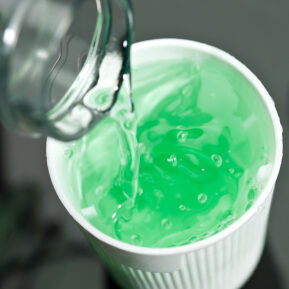
Oil pulling is an ancient Ayurvedic practice that has become increasingly popular as part of natural wellness routines.
The method is simple: place a spoonful of oil in your mouth and gently swish it around for 10–20 minutes before spitting it out.
Many people prefer coconut oil because of its mild flavour and smooth texture. Some also add essential oils such as peppermint, clove or tea tree oil for flavour and their traditional antimicrobial properties.
Although research on oil pulling is still developing, some studies suggest it may help reduce plaque and certain oral bacteria when used alongside regular brushing and flossing—not as a replacement.
Ingredients
Warm the coconut oil until liquid, stir in the remaining ingredients and store in a glass jar.
Use one teaspoon each morning and gently swish it around your mouth for 10–15 minutes before spitting it into the rubbish rather than the sink, where coconut oil may solidify.
Rinse thoroughly with warm water afterwards.
Creating your own oral care products doesn’t require complicated equipment or expensive ingredients. Most recipes can be prepared in under thirty minutes, and many of the ingredients last for months—or even years—making them surprisingly economical.
Whether you decide to make your own toothpaste, try oil pulling, use a homemade mouthwash or simply become more selective about the products you buy, taking a closer look at your oral care routine is one more way to become a more informed consumer.
As with any aspect of health, natural approaches work best when combined with good nutrition, regular brushing and flossing, and routine dental check-ups. By understanding your options, you can choose an oral care routine that aligns with both your health goals and personal preferences.
Living a long and healthy life involves or relies on many factors including genetics, lifestyle, environment and more. One of those factors, a very important one, is the avoidance of toxic exposure.
Reducing exposure to harmful chemicals and other toxins can greatly contribute to improved health, longevity, and overall quality of life.
Having experienced the effects of toxic exposure personally, I have made it my mission not only to reveal the truth behind these products but also to share simple, affordable alternatives that allow people to reduce their toxic load and safeguard their health.