

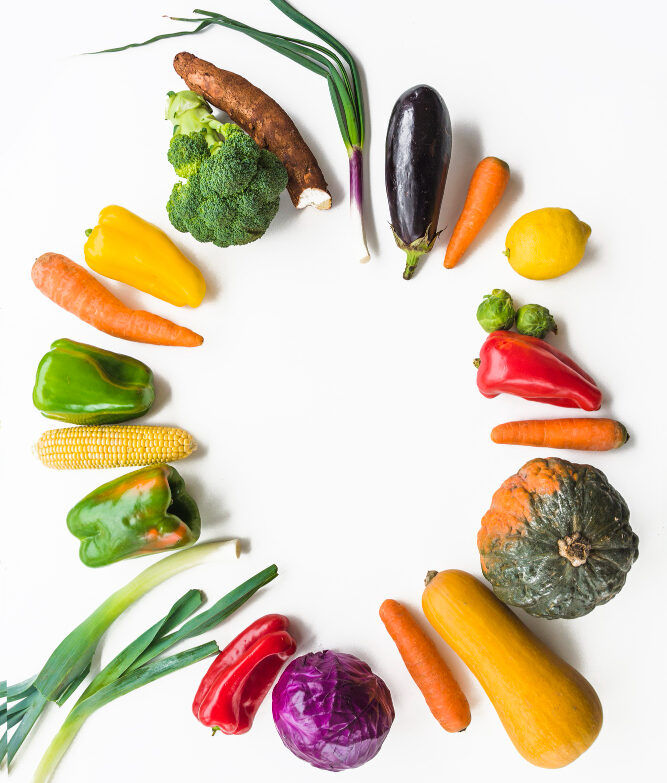


New Zealand is one of the best places in the world to build a healthy, whole-food lifestyle. With access to fresh seasonal produce, quality meat and seafood, and a strong network of local farmers’ markets, it is possible to eat in a way that nourishes your body while reducing exposure to unnecessary chemicals and highly processed foods.
The foundation of healthy eating is not a complicated diet or a short-term trend. It is a consistent focus on real food: plenty of vegetables and fruit, quality protein, healthy fats, whole grains, and minimally processed ingredients. Whenever possible, choosing organic or spray-free produce can further reduce exposure to agricultural chemicals and support more sustainable farming practices.
Vegetables should make up the largest portion of most meals. They provide fibre, vitamins, minerals, antioxidants, and plant compounds that support heart health, digestion, immune function, and healthy ageing.
New Zealand grows an abundance of nutritious vegetables throughout the year.
Excellent choices include: Broccoli, Cauliflower. Silverbeet, Spinach, Kale, Cabbage, Carrots, Beetroot, Capsicums, Courgettes, Tomatoes, Kūmara, Pumpkin, Onions and garlic
When buying produce, prioritize: organic first, then spray-free or unsprayed, and then locally grown seasonal produce.
Seasonal vegetables are often fresher, more nutritious, and more affordable than imported alternatives.
Fruit is a natural source of vitamins, minerals, fibre, and beneficial plant compounds. Whole fruit is generally a better choice than fruit juice because it contains fibre and causes a slower rise in blood sugar.
Apples
Kiwifruit
Blueberries
Strawberries
Feijoas
Plums
Pears
Avocados
Oranges and mandarins
A simple guideline is to eat two servings of fruit each day, ideally with breakfast or as a snack between meals
Protein is essential for maintaining muscle, supporting metabolism, and helping you feel full.
Healthier meat choices include:
Grass-fed beef and lamb – New Zealand pasture-raised meat is naturally rich in nutrients and generally contains a healthier fat profile than grain-fed alternatives.
Free-range chicken – Look for free-range or pasture-raised options when possible.
Venison – A lean, nutrient-dense source of protein.
Eggs – Choose free-range eggs from reputable local producers.
New Zealand’s coastal waters provide access to excellent seafood rich in omega-3 fats.
Good choices include:
Salmon
Sardines
Hoki
Snapper
Mussels
Oysters
One of the biggest improvements most people can make is reducing ultra-processed foods.
These products are often high in:
Refined sugar
Industrial seed oils
Artificial flavours
Colourings
Preservatives
Emulsifiers
Excess sodium
Soft drinks
Energy drinks
Lollies
Packaged biscuits
Chips
Fast food
Processed meats such as some sausages, salami, and luncheon meats
Ready-made frozen meals
If a product has a long ingredient list filled with unfamiliar names, it is usually less nutritious than a simple whole-food alternative.
New Zealanders consume significant amounts of added sugar through drinks, desserts, breakfast cereals, sauces, and snack foods.
Replace soft drinks with water or sparkling water.
Choose unsweetened yoghurt and add fresh fruit.
Read labels for hidden sugars such as glucose syrup, fructose, maltodextrin, and cane sugar.
Limit desserts to occasional treats rather than daily habits.
Use fruit, cinnamon, or vanilla to naturally sweeten meals.
Many people notice improved energy levels and fewer cravings within a few weeks of reducing added sugar.

Make deserts with natural sweeteners. You can find some recipes at Sin Free Desserts.

The Bottom Line: Healthy eating in New Zealand does not require perfection. The goal is to make better choices most of the time:
More vegetables and fruit.
More organic or spray-free produce when possible.
More quality meat, fish, eggs, and legumes.
More whole grains and traditional foods.
Less processed food.
Less added sugar.
Fewer artificial additives and unnecessary chemicals.
By focusing on locally grown, minimally processed foods and preparing more meals at home, you can enjoy a diet that supports better energy, a healthier weight, improved digestion, and long-term wellbeing while also supporting local farmers and a cleaner food system.
Living a long and healthy life involves or relies on many factors including genetics, lifestyle, environment and more. One of those factors, a very important one, is the avoidance of toxic exposure.
Reducing exposure to harmful chemicals and other toxins can greatly contribute to improved health, longevity, and overall quality of life.
Having experienced the effects of toxic exposure personally, I have made it my mission not only to reveal the truth behind these products but also to share simple, affordable alternatives that allow people to reduce their toxic load and safeguard their health.