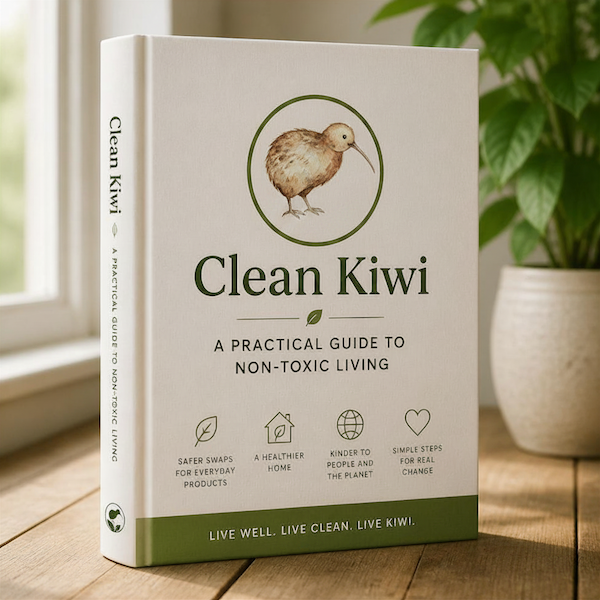
Modern life surrounds us with thousands of synthetic chemicals. They’re found in our food, cleaning products, personal care items, furniture, clothing, packaging, and even the air inside our homes. While government agencies regulate many of these substances, reducing unnecessary exposure is a sensible step for anyone who wants to create a healthier home.
The good news is that you don’t need to renovate your house or spend a fortune on specialty products. Some of the biggest improvements come from simple, everyday choices.
Here are ten practical changes every New Zealand household can make to reduce toxic exposures and create a cleaner, healthier living environment.

One of the easiest ways to reduce exposure to unnecessary additives is to eat foods that look as close as possible to how nature produced them.
Fill your shopping trolley with:
Try to limit foods with long ingredient lists containing artificial colours, preservatives, flavour enhancers, and excessive added sugars. Preparing more meals at home also gives you greater control over what goes into your family’s diet.
Not everyone has the budget to buy everything organic, and that’s perfectly okay. Every healthier choice makes a difference.
Whenever practical:
Even a small vegetable garden or a few pots of herbs can reduce your reliance on commercially grown produce and reconnect you with your food.
Supporting local Farmers is also crucial to help show consumer demand and support for local farming as opposed to industrialized agriculture.
Many conventional cleaners contain ingredients that can irritate the skin, eyes, or respiratory system. Fortunately, effective cleaning doesn’t always require a cupboard full of chemicals.
Simple household ingredients can handle many everyday jobs:
Avoid mixing cleaning products unless you know they are compatible. For example, never combine bleach with ammonia or acidic cleaners, as this can create dangerous gases.
Plastics can be convenient, but some may release small amounts of chemicals into food, particularly when heated.
Simple ways to reduce exposure include:
These changes also help reduce plastic waste.
And using less plastic products will help our landfills and oceans.
The average person uses multiple personal care products every day, including soap, shampoo, moisturiser, deodorant, toothpaste, cosmetics, and sunscreen.
When shopping, look for products with straightforward ingredient lists and consider avoiding unnecessary synthetic fragrances if you’re sensitive to them. Many New Zealand companies now produce simpler formulations using plant-based ingredients.
Remember that “natural” on a label isn’t a guarantee of safety or quality, so it’s worth reading the ingredient list rather than relying solely on marketing claims.
Indoor air can sometimes contain more pollutants than outdoor air, particularly in tightly sealed homes.
You can improve indoor air quality by:
If you use a wood burner, burn only properly seasoned, dry wood to reduce smoke and particulate emissions.
Many home gardens can thrive with fewer synthetic pesticides and herbicides than people imagine.
Consider alternatives such as:
Healthy soil supports healthy plants, which are often more resistant to pests and disease.
New Zealand generally has high-quality drinking water, but water sources and treatment methods vary between communities.
Some households choose to install water filters to reduce sediment, chlorine, or other contaminants. The most suitable filter depends on your local water supply and your household’s needs.
If you use rainwater, regular tank maintenance and appropriate filtration are particularly important to help ensure safe drinking water.
Many clothing and household textiles are made from synthetic fibres that can shed tiny plastic particles during washing.
Where practical, consider choosing natural materials such as:
Buying fewer, higher-quality garments that last longer can also reduce waste and your overall environmental footprint.
One of the most powerful health choices isn’t something you buy—it’s spending more time outdoors.
New Zealand offers extraordinary opportunities to connect with nature.
Make time to:
Connecting with nature supports physical health, mental wellbeing, and a deeper appreciation for protecting the environment we all depend on.

Trying to eliminate every possible environmental exposure is neither realistic nor necessary. Modern life comes with trade-offs, and many factors affecting our health are beyond our individual control.
Instead of aiming for perfection, focus on steady progress. Swapping one product at a time, cooking a few more meals from scratch each week, reducing unnecessary plastic use, or planting a small garden are all meaningful steps.
Every positive choice contributes to a healthier home, and when enough households make similar changes, the benefits extend far beyond our front doors. Cleaner rivers, healthier soils, less waste, and stronger local food systems all begin with everyday decisions.
Creating a healthier New Zealand isn’t solely the responsibility of governments or businesses. It starts in kitchens, gardens, schools, workplaces, and neighbourhoods across the country.
Each practical change may seem small on its own, but together they add up. By making informed choices, supporting sustainable local producers, and caring for the places we live, every Kiwi can help build a cleaner, healthier future.
The journey toward lower-tox living doesn’t require perfection. It simply starts with one better choice today—and another tomorrow.
Clean Kiwi: Simple choices. Healthier homes. Better futures.

Living a long and healthy life involves or relies on many factors including genetics, lifestyle, environment and more. One of those factors, a very important one, is the avoidance of toxic exposure.
Reducing exposure to harmful chemicals and other toxins can greatly contribute to improved health, longevity, and overall quality of life.
Having experienced the effects of toxic exposure personally, I have made it my mission not only to reveal the truth behind these products but also to share simple, affordable alternatives that allow people to reduce their toxic load and safeguard their health.