Most of us rarely think about the air we breathe—until allergies, asthma, or other respiratory problems develop. Yet poor air quality can affect your health long before symptoms appear. Both indoor and outdoor pollutants can contribute to long-term health issues, making clean air an essential part of a healthy home.
Poor air quality has been linked to a wide range of health problems, including:
According to the World Health Organization, air pollution is one of the leading environmental causes of premature death worldwide.


The air inside your home can often be more polluted than the air outside. Common sources include:
Older homes may also contain asbestos, lead-based paint, or ageing plumbing that can pose additional health risks.
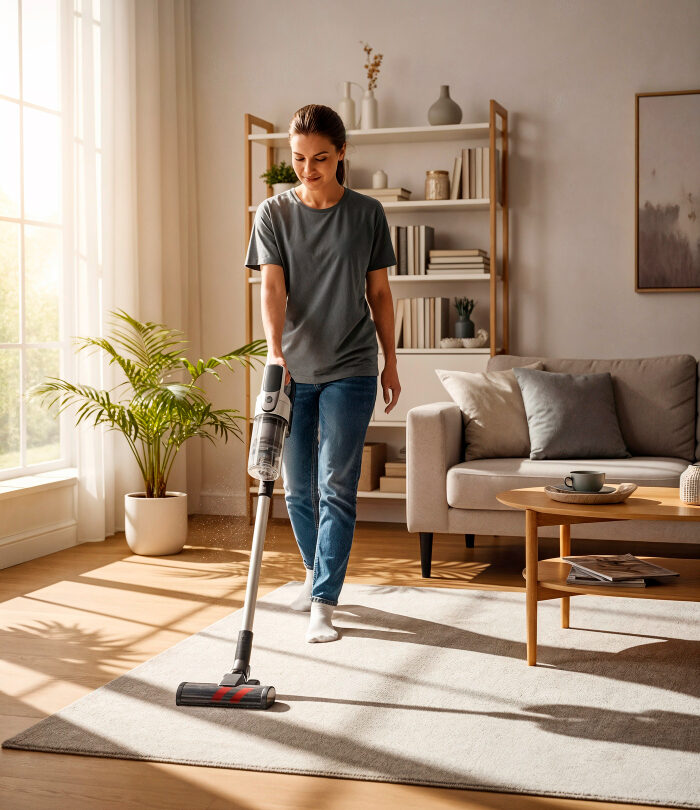
Creating healthier indoor air doesn’t have to be complicated. Small changes can make a significant difference.
For additional protection, consider using a high-quality HEPA air purifier that also includes activated carbon filtration to remove both fine particles and airborne chemicals. Running one in the bedroom overnight can significantly improve the quality of the air you breathe while you sleep.

New Zealand generally enjoys cleaner air than many countries, but air pollution still occurs.
During winter, Christchurch experiences some of the country’s highest pollution levels due to residential wood burners and weather conditions that trap smoke close to the ground. Elevated pollution can also occur in Hamilton and Invercargill during colder months, while parts of Auckland experience increased pollution near busy roads and industrial areas.
Even when pollution isn’t visible, fine particles and airborne chemicals can still affect your health.
While houseplants won’t replace good ventilation or filtration, many help improve indoor air quality and create a healthier living environment. Peace lilies, spider plants, Boston ferns, and palms are popular choices for naturally enhancing indoor spaces.
If your home was built before the 1980s, consider having it professionally assessed for asbestos, lead-based paint, or other hazardous building materials before beginning renovations. Disturbing these materials without proper precautions can release dangerous particles into the air.
Clean indoor air is one of the foundations of good health. By reducing unnecessary chemical exposure, preventing mould, improving ventilation, and choosing healthier products, you can create a home that supports the wellbeing of your entire family.
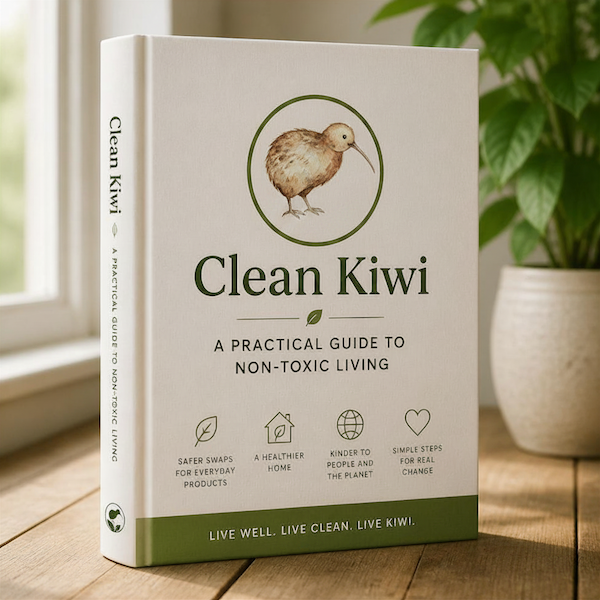
Clean Kiwi: Simple choices. Healthier homes. Better futures.

Living a long and healthy life involves or relies on many factors including genetics, lifestyle, environment and more. One of those factors, a very important one, is the avoidance of toxic exposure.
Reducing exposure to harmful chemicals and other toxins can greatly contribute to improved health, longevity, and overall quality of life.
Having experienced the effects of toxic exposure personally, I have made it my mission not only to reveal the truth behind these products but also to share simple, affordable alternatives that allow people to reduce their toxic load and safeguard their health.